MetaboInsight Spotlight: Joe & Stefan at QMSS 2026
This month, we spoke with two of our committee members who were on the ground at QMSS 2026. Dr Joseph Nastasi, our newly appointed Regional Representative for Queensland, and Dr Stefan Pieczonka, the Queensland representative on the EMCR Subcommittee, share their insights and experiences from the meeting.
Read their MetaboInsight interviews below to learn more about their work, perspectives and contributions.
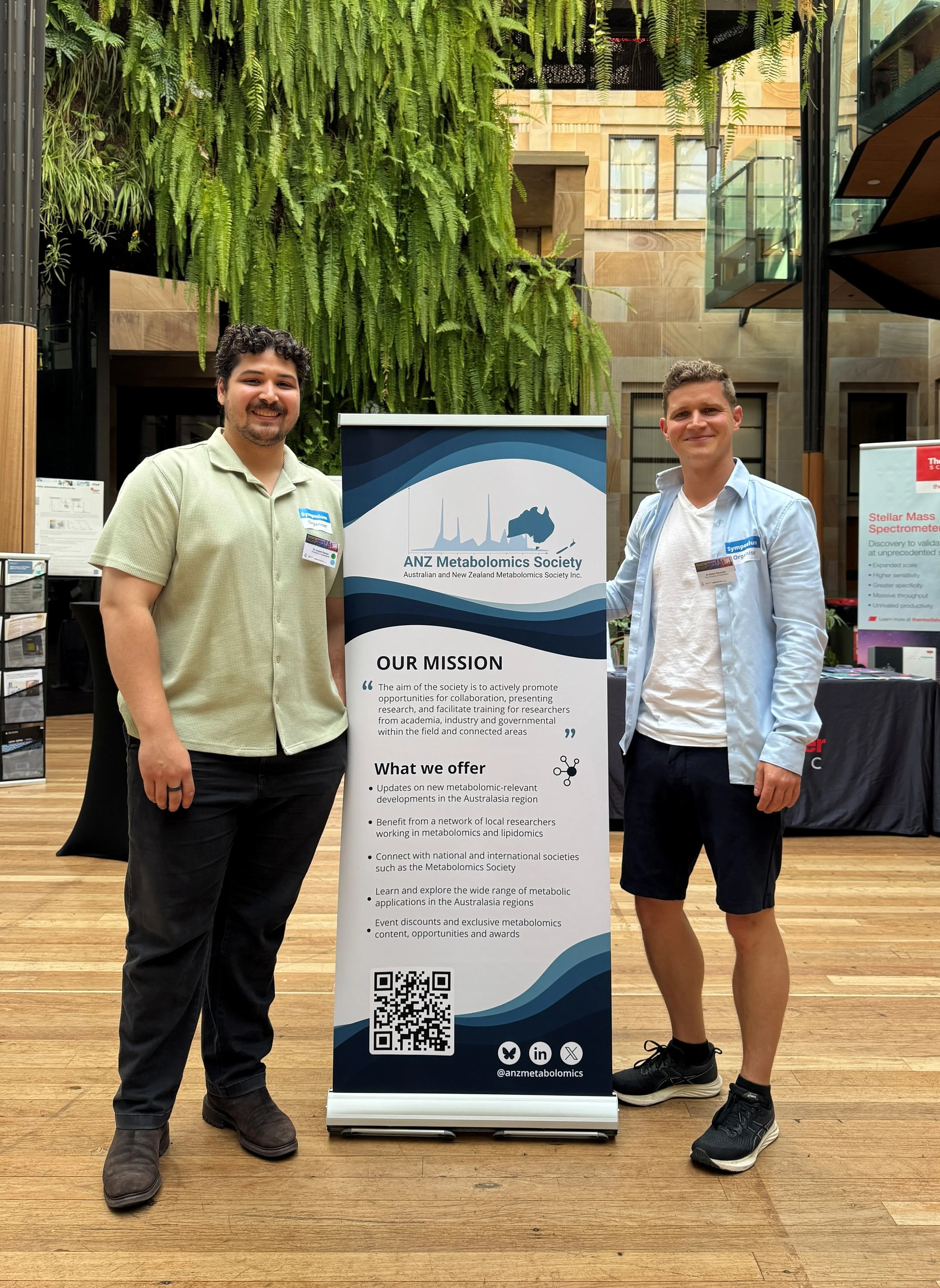
QMSS 2026
We hope everyone who attended Queensland Mass Spectrometry Symposium on January 28-29, 2026 had a wonderful time and had a chance to chat with two of our committee members!
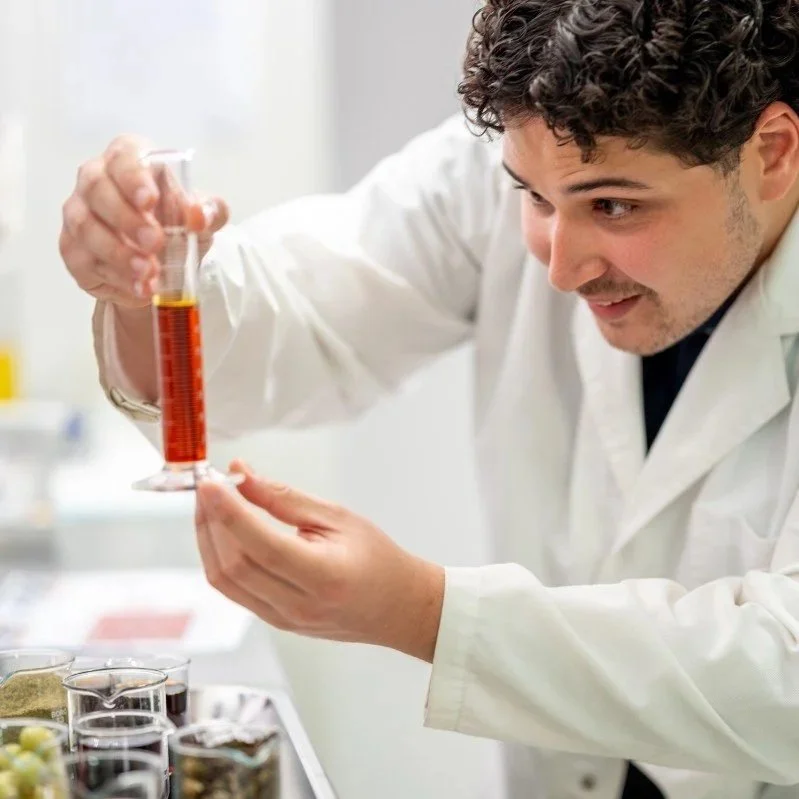
Dr Joseph Nastasi | Postdoctoral Research Fellow - Bushfoods & Native Plants. School of Agriculture and Food Sustainability, The University of Queensland
What is your current role and affiliation?
I am a Postdoctoral Research Fellow at The University of Queensland, based in the School of Agriculture and Food Sustainability and working closely with analytical and molecular science groups across UQ and CQU. My research sits at the interface of food chemistry, metabolomics, and applied mass spectrometry, with a strong focus on Australian native plants, Indigenous agricultural systems, and translational outcomes for food, nutraceutical, and cosmetic applications.
How would you describe your primary research focus and expertise?
My research centres on applying LC–MS-based metabolomics, chemometrics, and complementary spectroscopic tools to understand complex food and biological systems. I work extensively on profiling polyphenols and other secondary metabolites, developing robust analytical workflows, and translating chemical data into functional, biological, and industrial insights. A key aspect of my work involves collaborating with colleagues, including Stefan, to develop reproducible mass spectrometry methods and standardised metabolomics pipelines that support benchmarking, comparison, and data integrity across studies on Australian native plants.
Importantly, this work is embedded within a strong foundation in Indigenous-led and Indigenous-engaged research. I have extensive experience working within Aboriginal and Torres Strait Islander research contexts, including co-designed projects that recognise Indigenous knowledge systems, cultural governance, and benefit-sharing obligations. This background informs how analytical workflows are designed, interpreted, and translated, ensuring that metabolomics data are generated and applied in ways that are scientifically robust, culturally respectful, and aligned with Indigenous research governance frameworks. Together, this approach supports analytical consistency while enabling meaningful, ethical translation of metabolomics outcomes for the food industry and the Australian native plant sector
What is your connection to ANZMetSoc, QMSS, and the QLD representative role?
ANZMetSoc and QMSS have been central to my professional development and network within the Australian mass spectrometry community. QMSS, in particular, has provided a highly supportive and collaborative environment that bridges students, EMCRs, and senior researchers across disciplines. Serving as a Queensland representative at ANZMetSoc is an opportunity for me to actively support this community, promote engagement with ANZMetSoc activities, and help foster strong connections between metabolomics, mass spectrometry, and applied research across Queensland and beyond.
Brought to you by the EMCR subcommittee
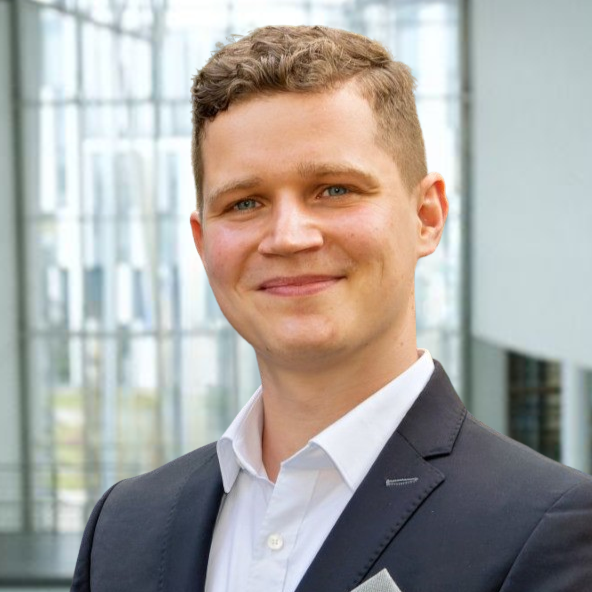
Dr Stefan Pieczonka | Postdoctoral Researcher & Visiting Academic. School of Chemistry and Molecular Biosciences, The University of Queensland.
What is your current role and affiliation?
I am a Walter Benjamin Fellowship postdoctoral researcher funded by the German Research Foundation (DFG) and am affiliated with and conducting research at The University of Queensland in Brisbane. Within the School of Chemistry and Molecular Biosciences, I contribute to ongoing research projects, expand my teaching experience, and supervise undergraduate students as well as PhD candidates.
How would you describe your primary research focus and expertise?
As a trained analytical food chemist, I view food and fermentation as complex systems in which raw materials and processing steps leave decipherable molecular signatures. By leveraging this intrinsic chemical information, we can improve food quality, trace and authenticate production processes, and interrogate complex molecular networks.
I currently apply this food-systems chemistry perspective to research questions in food safety and security, product innovation (in collaboration with Joe), and microbial fermentation. Our work explores the metabolic potential of wild Australian yeasts and investigates how yeast cells respond to the highly complex chemical mixtures arising from Maillard chemistry. I am further developing my expertise in standardized metabolomics workflows and application of computational mass spectrometry tools, and I am expanding this skill set to include proteomics analyses within the group of my Fellowship host Prof. Ben Schulz.
What is your connection to ANZMetSoc, QMSS, and the QLD representative role?
Having arrived in Australia just one year ago, QMSS 2025 marked my entry point into Queensland’s mass spectrometry community. I was immediately struck by the openness and welcoming atmosphere, which encouraged me to contribute to the Organising Committee this year and to support the continuation of this spirit.
As a grateful recipient of a QMSS Travel Award, my first major conference trip took me to Cairns for AUSoMicS, co-organised by ANZMetSoc. The exceptionally well-organized society sessions and workshops and their great scientific quality inspired me to become involved as an EMCR representative.
I can wholeheartedly recommend engagement with, and membership in, ANZMetSoc and QMSS. Both have played a key role in helping me connect with and become part of the Australian mass spectrometry and metabolomics community.